AC Making Loud Noises: What Buzzing, Banging, and Screeching Actually Mean
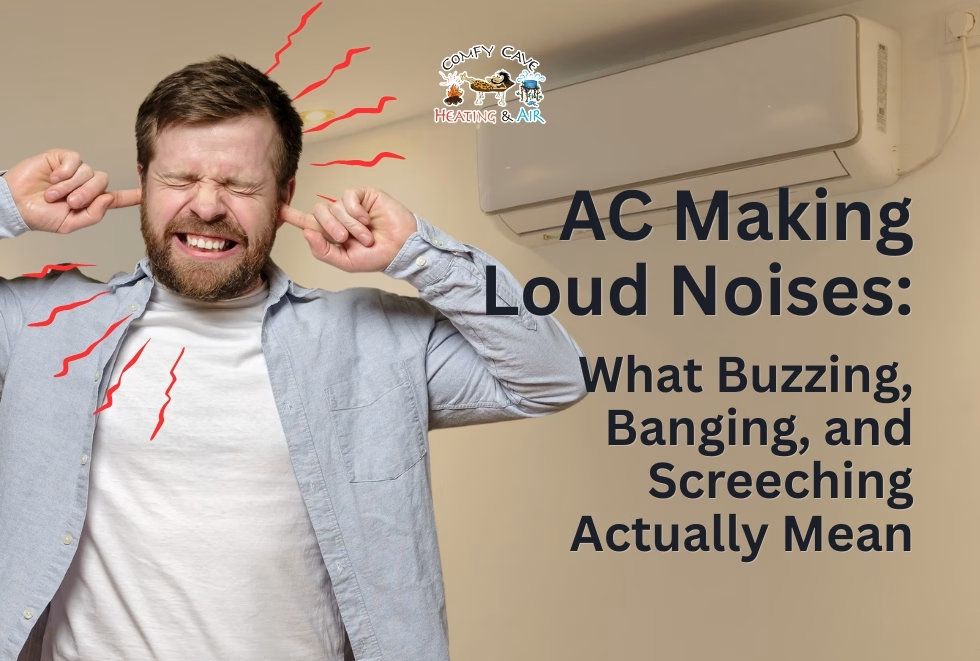
Air conditioners aren’t silent, but they should be boring: a steady hum outside, a soft whoosh of air inside. When a new sound shows up buzzing, banging, screeching, hissing the sound itself is diagnostic. Technicians triage AC problems by ear before they ever open a panel, and you can use the same logic to know whether you’re dealing with a loose screw or a shut-it-off-right-now emergency.
Quick answer: Buzzing usually means an electrical problem (capacitor, contactor, or a motor trying and failing to start). Banging or clanking means something mechanical is loose or broken, often a fan blade or, worse, internal compressor components. Screeching or squealing points to failing motor bearings or dangerous high pressure in the compressor. Hissing suggests a refrigerant leak. Two rules: a screeching sound at the outdoor unit and any banging from the compressor both mean turn the system off immediately and call for service.
The Sound-by-Sound Breakdown
Buzzing
A loud electrical buzz from the outdoor unit especially if the fan isn’t spinning typically means a failed capacitor: the motor is receiving power and straining to start without the jolt the capacitor provides. A buzzing contactor (the relay that switches the unit on) has a similar signature. Both are common, relatively inexpensive repairs, but don’t let the unit sit there buzzing: a motor stuck trying to start overheats quickly. Turn the system off and schedule service. Colorado’s intense sun and summer heat are exactly the conditions that kill capacitors, which is why we replace so many of them in July.
Banging or clanking
Rhythmic banging from the outdoor unit usually means the fan blade is striking something: a twig, ice, a bent blade after a hailstorm or a mount has come loose. Shut it off before the blade destroys itself. Irregular, deeper clanking from inside the compressor housing is more serious: internal components have broken loose, and a compressor that’s knocking is usually a compressor near the end. On an older system, that’s typically the moment to compare repair cost against what a replacement actually costs rather than reflexively fixing it.
Screeching or squealing the shut-it-off sound
A short squeal at startup that fades may be a blower motor bearing beginning to fail book service soon. But a loud, sustained screech from the outdoor unit can indicate dangerously high refrigerant pressure at the compressor. Every system has a relief valve for exactly this scenario. Don’t wait to find out which one you have: shut the system down at the thermostat and call. This is the one AC sound we treat as a genuine safety issue.
Hissing
Steady hissing near the refrigerant lines or coils suggests refrigerant escaping through a leak often accompanied by weak cooling and eventually ice on the lines. A bubbling variant means air moisture has entered the refrigerant circuit. Either way it’s a professional repair, and with R-410A refrigerant costs climbing under the federal phase-down, a leaking system is worth fixing properly once rather than recharging repeatedly. Brief hissing at the vents, by contrast, can just be airflow through undersized or leaky ducts, annoying, not urgent.
Clicking
A single click at startup and shutdown is normal relay operation. Rapid, repeated clicking with no startup means the system is trying and failing to engage usually a failing contactor, capacitor, or a thermostat/control fault. Constant clicking while running can be a small obstruction ticking against the fan. Repeated failures start to stress the compressor, so don’t leave it cycling; turn it off.
Rattling
Rattling is the most benign of the family: loose panel screws, debris in the condenser cabinet, or vibrating ductwork. Check the outdoor unit for twigs and leaves (power off first at the disconnect), tighten cabinet screws, and see if the sound stops. Rattling that persists or grows means a motor or mount is loosening worth a look during your next service visit rather than an emergency call.
Humming louder than usual
A hum is normal; a hum you can suddenly hear from inside the house isn’t. Aging motor bearings, a weakening capacitor, or refrigerant flow issues all raise the baseline noise floor before they fail outright. Rising noise over weeks is your earliest, cheapest warning; it’s precisely what a technician listens for during a seasonal tune-up.
The Denver Factor: Hail, Wind, and Cottonwood
Front Range weather is uniquely hard on outdoor units, and several “mystery noises” we diagnose in Denver and Arvada trace straight back to it. Summer hailstorms bend fan blades and dent fin coils. A post-storm rattle or a new wobble in the fan is worth an inspection even if the unit still cools, because a bent blade slowly destroys the fan motor bearings. Spring windstorms fill condenser cabinets with twigs and mulch. And June cottonwood season mats the coil, which doesn’t make noise by itself but forces the fan to work harder and louder. After any major hail event, walk around your condenser and look at the fins: dense dimpling means restricted airflow, and it’s inspectable and repairable sometimes through your homeowner’s insurance.
Quick Triage: What to Do for Each Sound
- Shut off immediately, call now: sustained screeching outside; banging/knocking from the compressor; buzzing with a non-spinning fan; rapid clicking with failed starts.
- Shut off, schedule promptly: banging from the fan area; hissing near refrigerant lines; squealing at startup.
- Investigate yourself, then monitor: rattling panels and debris; brief vent hiss; modest hum increase.
If a sound falls in the first two groups, Comfy Cave’s cooling repair team serves Denver, Arvada, and the surrounding metro 24/7 book service here or call 303-645-4889. If your system is a decade or older and noises are multiplying, it may be worth reading our guide to the signs an AC is due for replacement before sinking money into serial repairs and if the sound is coming from a wall-mounted unit instead, our ductless mini-split comparison covers what’s normal for those systems.
Frequently Asked Questions
Why is my AC buzzing but not turning on?
Most often a failed capacitor is the component that gives the fan and compressor motors their starting surge. The motor hums or buzzes as it strains to start without it. Turn the system off to prevent motor overheating and have the capacitor tested and replaced; it’s one of the most common and affordable AC repairs.
Is a loud AC dangerous?
Two sounds warrant immediate shutdown: sustained screeching from the outdoor unit, which can indicate dangerous compressor pressure, and knocking from inside the compressor, which means internal mechanical failure. Other sounds are warnings rather than emergencies but running any AC that’s making a new loud noise tends to convert small repairs into large ones.
Why is my AC louder after a hailstorm?
Hail bends condenser fan blades and dents coil fins. A bent blade throws the fan out of balance heard as wobble, rattle, or rhythmic ticking and dented fins force the system to run harder and louder. Have the unit inspected after significant hail; fin and blade damage is repairable and sometimes covered by homeowner’s insurance.
What does it mean when an AC hisses?
Steady hissing near the outdoor unit or refrigerant lines usually indicates refrigerant escaping through a leak, especially if cooling is also weak. Hissing only at the indoor vents is more often just air moving through restrictive ductwork. Refrigerant hissing needs professional leak repair topping off without fixing the leak just postpones the same bill.
Can I prevent AC noises with maintenance?
Largely, yes. Most noise complaints trace to components that loosen, wear, or clog gradually all caught in an annual inspection. A spring tune-up tightens mounts, cleans debris, tests capacitors under load, and checks motor bearings, and a maintenance plan makes it automatic. Quiet systems are usually just maintained systems.