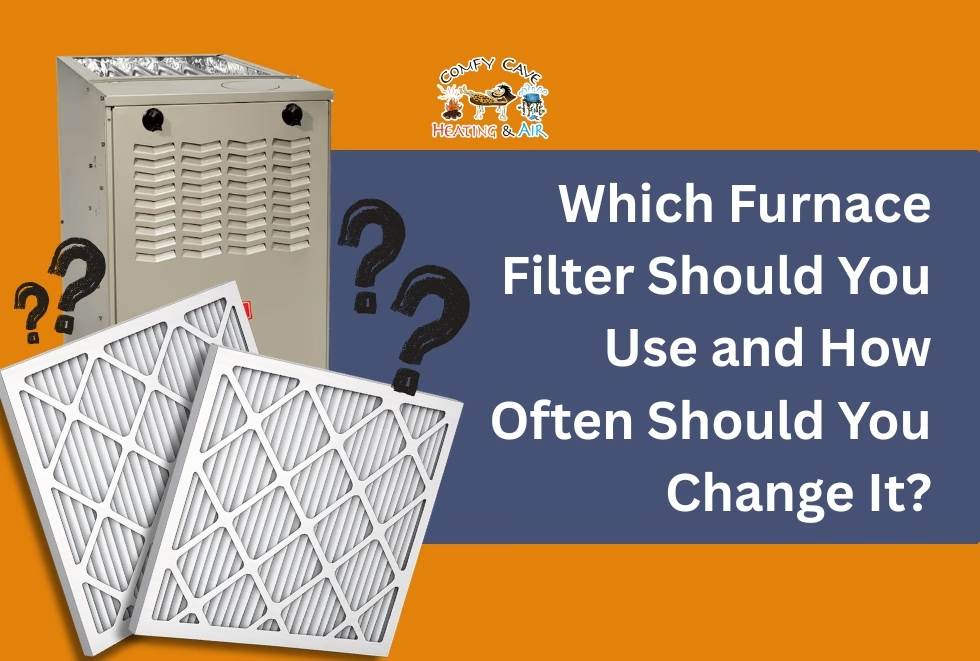
Which Furnace Filter Should You Use and How Often Should You Change It?
Choosing the right furnace filter is essential for maintaining indoor air quality, improving energy efficiency, and keeping your heating system running smoothly. For homeowners in Denver, where furnaces run frequently during long winters, using the correct filter and replacing it regularly can make a noticeable difference in comfort, air quality, and monthly energy costs.
Many homeowners overlook furnace filter maintenance, but a clogged or inefficient filter can restrict airflow, strain your HVAC system, and increase utility bills. Understanding the different types of furnace filters, MERV ratings, and recommended replacement schedules will help you keep your system operating efficiently throughout the year.
In this guide, we’ll explain which furnace filters work best, how often they should be replaced, and how proper filter maintenance supports long-term furnace performance in Denver homes.
Why Furnace Filters Matter for Denver Homes
Furnace filters play a critical role in both indoor air quality and heating system efficiency. They capture dust, pollen, pet dander, and other airborne particles before they circulate through your home. Clean filters help maintain proper airflow and reduce strain on your furnace during heavy winter usage.
In Denver’s dry climate, dust and airborne particles can accumulate quickly. A high-quality furnace filter helps reduce indoor pollutants and keeps your HVAC system operating efficiently. When filters become clogged, airflow is restricted, forcing the furnace to work harder and potentially increasing energy consumption.
Regular filter replacement not only improves air quality but also helps prevent unnecessary wear on system components and supports consistent heating performance.
Types of Furnace Filters and Their Benefits
Several types of furnace filters are available, each offering different levels of filtration and performance. Choosing the right filter depends on your budget, indoor air quality needs, and HVAC system compatibility.
Fiberglass Filters
Fiberglass filters are the most basic and affordable option. They capture large particles such as dust and lint but provide limited filtration for smaller pollutants. These filters are typically disposable and need frequent replacement.
Pleated Filters
Pleated filters are made from polyester or cotton and provide better filtration due to their larger surface area. They can capture smaller particles such as pollen and pet dander while maintaining good airflow. Many homeowners choose pleated filters because they offer a balance between cost and performance.
HEPA Filters
HEPA filters provide the highest level of filtration and can capture up to 99.97% of microscopic particles. However, they are not commonly used in standard residential furnace systems because they can restrict airflow unless the system is specifically designed for them.
Electrostatic Filters
Electrostatic filters use charged fibers to attract and capture airborne particles. They are available in both disposable and washable versions and can provide effective filtration while maintaining airflow when properly maintained.
Understanding these filter types helps homeowners choose the best option for maintaining indoor comfort and furnace efficiency.
How Furnace Filter Types Compare
When selecting a furnace filter, it’s helpful to compare filtration efficiency, cost, and lifespan.
Filtration Efficiency:
HEPA and high-MERV pleated filters capture the smallest particles and provide the best air quality improvement. Fiberglass filters offer minimal filtration and are best suited for basic system protection.
Cost:
Fiberglass filters are the most affordable, while pleated and high-efficiency filters cost more but provide better filtration and longer lifespans.
Lifespan:
Fiberglass filters typically need replacement every 30 days. Pleated filters can last up to 90 days, while washable electrostatic filters require regular cleaning rather than replacement.
Balancing filtration performance with cost and maintenance requirements helps ensure optimal furnace operation.
Understanding MERV Ratings for Furnace Filters
The Minimum Efficiency Reporting Value (MERV) rating measures how effectively a filter captures airborne particles. MERV ratings range from 1 to 16, with higher numbers indicating better filtration.
A filter with a higher MERV rating can capture smaller particles, improving indoor air quality and reducing airborne allergens. However, extremely high MERV ratings can restrict airflow if the HVAC system is not designed to handle them.
Most residential furnaces operate best with filters rated between MERV 8 and MERV 13, which provide effective filtration without significantly restricting airflow.
How MERV Ratings Affect Air Quality and Efficiency
Higher MERV-rated filters capture smaller particles such as pollen, pet dander, mold spores, and smoke. This can significantly improve indoor air quality, particularly for households with allergies or respiratory concerns.
However, filters with very high MERV ratings may increase airflow resistance. If airflow becomes restricted, the furnace must work harder to circulate air, which can reduce efficiency and increase wear on components.
Choosing the right MERV rating ensures effective filtration while maintaining proper airflow and system performance.
How Often Should You Change Your Furnace Filter?
Replacing furnace filters regularly is one of the easiest ways to maintain system efficiency and indoor air quality. The frequency of replacement depends on several factors, including filter type, home environment, and system usage.
Homes with pets, higher dust levels, or frequent furnace usage may require more frequent filter changes. Denver homeowners often run heating systems for extended periods during winter, making regular filter replacement especially important.
Recommended Furnace Filter Replacement Schedule
General replacement guidelines based on filter type:
- Fiberglass filters: every 30 days
- Pleated filters: every 60–90 days
- High-efficiency filters: every 3 months (or per manufacturer recommendation)
- Washable electrostatic filters: clean every 1–3 months
Checking your filter monthly can help determine whether it needs replacement sooner. A visibly dirty or clogged filter should be changed immediately to maintain proper airflow.
Regular replacement supports efficient furnace operation and helps prevent unnecessary system strain.
Best Furnace Filters for Allergies and Indoor Air Quality
For households concerned about allergies or indoor air quality, selecting the right furnace filter is especially important. Filters with higher MERV ratings (11–13) can capture common allergens such as pollen, dust mites, and pet dander.
Improved filtration can help reduce allergy symptoms and create a healthier indoor environment. However, it’s important to ensure your furnace can handle higher-efficiency filters without airflow issues. Consulting with HVAC professionals can help determine the best filter type for your specific system.
Signs Your Furnace Filter Needs Replacement
Recognizing when your filter needs replacement helps maintain system efficiency and indoor comfort.
Common signs include:
- Reduced airflow from vents
- Increased dust in your home
- Rising energy bills
- Uneven heating
- Unpleasant odors when the furnace runs
If you notice any of these issues, replacing the filter may restore proper airflow and improve system performance.
Benefits of Regular Furnace Filter Maintenance
Keeping your furnace filter clean provides several long-term benefits:
Improved Energy Efficiency:
Clean filters allow proper airflow, helping the furnace operate efficiently.
Better Indoor Air Quality:
Effective filtration reduces airborne dust, allergens, and pollutants.
Longer Furnace Lifespan:
Reducing strain on system components helps prevent premature wear.
Lower Repair Costs:
Proper airflow reduces the risk of overheating and component failure.
Routine filter maintenance is one of the simplest ways to protect your heating system and maintain consistent comfort.
Professional Furnace Maintenance and Filter Replacement
While replacing a furnace filter is a simple task, professional maintenance ensures your entire heating system operates efficiently. HVAC technicians can inspect airflow, check components, and recommend the best filter type for your system.
Scheduling regular furnace service in Denver helps ensure your system runs efficiently throughout winter and prevents issues caused by clogged filters or restricted airflow. Professional inspections also help identify potential problems early, reducing the risk of costly repairs.
Why Denver Homeowners Trust Comfy Cave Heating & Air
Maintaining clean furnace filters is just one part of keeping your heating system efficient and reliable. Professional inspections, airflow checks, and routine maintenance play an important role in ensuring your furnace operates safely and performs at its best throughout Denver’s long winter season.
Comfy Cave Heating & Air provides expert furnace inspections, maintenance, and system guidance for homeowners across the Denver metro area. Their licensed technicians understand how Colorado’s dry climate and extended heating seasons impact furnace performance and indoor air quality, helping homeowners choose the right filters and maintenance plans for long-term efficiency.
Whether you need help selecting the best furnace filter or want to ensure your heating system is operating at peak performance, scheduling a professional furnace service in Denver with a trusted local team helps protect your investment and maintain consistent comfort throughout the winter.
Final Thoughts on Choosing the Right Furnace Filter
Selecting the right furnace filter and replacing it regularly plays a major role in maintaining indoor air quality and system efficiency. Denver homeowners who stay consistent with filter changes often experience better airflow, lower energy costs, and fewer heating issues during the winter season.
Understanding filter types, MERV ratings, and replacement schedules helps ensure your furnace operates reliably and efficiently. With proper maintenance and the right filter choice, your heating system can provide consistent comfort throughout the year.
Frequently Asked Questions
Which furnace filter is best for most homes?
Pleated filters with MERV ratings between 8 and 13 provide the best balance of filtration and airflow for most homes.
How often should furnace filters be changed in Denver?
Most filters should be replaced every 1–3 months, depending on usage, pets, and dust levels.
Can a dirty filter affect furnace performance?
Yes. A clogged filter restricts airflow, reduces efficiency, and can cause system strain or overheating.
Are high-MERV filters always better?
Higher MERV filters improve air quality but must be compatible with your HVAC system to avoid airflow restrictions.
Does replacing filters lower energy bills?
Yes. Clean filters allow the furnace to operate efficiently, which can reduce energy consumption and heating costs.