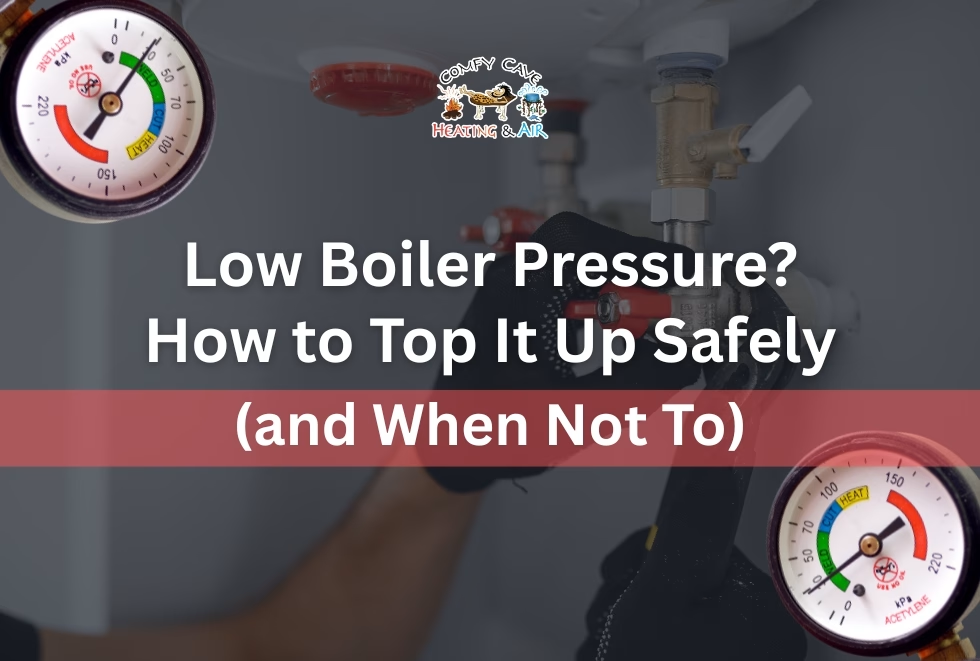
Low Boiler Pressure? How to Top It Up Safely (and When Not To)
Low boiler pressure is one of those issues that often goes unnoticed—until your heat doesn’t feel right. You may notice some rooms aren’t warming up, radiators heat unevenly, or the boiler won’t start at all.
In Denver, this problem shows up frequently during colder months when boilers run longer and small system issues become more obvious. Understanding what boiler pressure means, why it drops, and when it’s safe to top it up can help you avoid bigger problems—and know when it’s time to call a professional.
Quick Note Before We Start
This guide is meant to help homeowners reduce risk and prevent damage, not replace professional service.
Stop and call a professional immediately if:
- You smell gas
- You hear unusual hissing or banging
- You see water leaking
- Water is near electrical components
What Boiler Pressure Actually Means
Boiler pressure is the force that moves heated water through your home’s heating system. Your boiler heats the water, and pressure pushes it through pipes, radiators, or baseboards before returning to be reheated.
If pressure is too low, the system can’t circulate water properly. That means:
- Poor or uneven heating
- Cold rooms, especially upstairs or far from the boiler
- Boiler safety shutdowns
Most hot-water (hydronic) boilers in Denver homes measure pressure in PSI.
Typical pressure ranges (general guidance):
- Cold system:around 12–15 PSI
- Warm/running system:often rises to 18–25 PSI
Pressure naturally increases as water heats and expands. The expansion tank is designed to manage that change.
What Happens When Boiler Pressure Is Too Low
Low pressure affects more than comfort—it affects how safely your boiler operates.
Common signs include:
- Radiators or baseboards heating unevenly
- Gurgling or sloshing sounds in pipes
- Boiler turning on and off frequently
- Boiler refusing to fire or displaying a fault
Low pressure allows air to enter the system, which disrupts circulation. To protect itself, your boiler may shut down if pressure drops too far.
Common Reasons Boiler Pressure Drops
Low pressure is almost always a symptom, not the root cause.
1) A Small Leak in the System (Most Common)
Your heating system is closed, meaning water shouldn’t disappear. If pressure drops, water is leaving somewhere.
Leaks may be:
- At valves or fittings
- At radiators or baseboards
- Inside walls or ceilings
- Inside the boiler itself
Some leaks are slow and hard to spot. If pressure drops again after topping up, a leak is likely.
2) Radiators Were Recently Bled
Bleeding radiators removes trapped air—but it also releases a small amount of water. A slight pressure drop afterward can be normal.
A one-time top-upafter bleeding is usually fine. Repeated pressure loss is not.
3) Expansion Tank Problems
The expansion tank absorbs pressure changes as water heats. If it fails or becomes waterlogged:
- Pressure may drop when cold
- Pressure may spike when hot
- The relief valve may discharge water
This creates unstable pressure behavior and requires professional service.
4) Auto-Fill or Pressure-Reducing Valve Issues
Many systems have a valve designed to maintain pressure automatically. If it isn’t working properly, pressure may slowly fall—or rise too high.
Manually topping up without fixing this issue can lead to bigger problems.
When It IsSafe to Top Up Boiler Pressure
Topping up may be reasonable only if all of the following apply:
- Pressure is slightly low, not zero
- No visible leaks
- You recently bled radiators
- You rarely need to add water
- You clearly know where the fill valve is
In these cases, a careful top-up can restore normal operation.
When You Should Not Top Up Pressure
Do not add water if:
- Pressure drops repeatedly
- You see any leaking
- Pressure was recently very high
- The relief valve released water
- You’re unsure which valve to operate
- You need to add water frequently
Repeated top-ups can hide leaks, accelerate corrosion, and cause pressure spikes when the system heats up.
How to Top Up Boiler Pressure Safely (If Appropriate)
Step 1: Turn the Boiler Off and Let It Cool
Shut the boiler off and wait 15–30 minutes. Cold pressure readings are more accurate, and this reduces burn risk.
Step 2: Check the Pressure Gauge
Locate the gauge on the boiler or nearby piping. Confirm that pressure is below your normal cold range.
Step 3: Add Water Slowly
Depending on your system, you may have:
- An auto-fill valve with a fast-fill lever, or
- A manual feed valve
Open the valve slowly while watching the gauge. Stop once pressure reaches the normal cold range for your system.
Do not overfill—pressure will rise further once the boiler heats up.
Step 4: Restart and Monitor
Turn the boiler back on and let it heat. Recheck pressure once warm and again the next day.
If pressure drops again, stop topping up and call a professional.
When Low Pressure Means You Should Call a Professional
Contact a technician if:
- You need to add water more than occasionally
- Pressure swings wildly when heating
- The relief valve discharges water
- The boiler keeps locking out
- You hear persistent gurgling or banging
In many Denver homes, recurring low pressure is caused by leaks, expansion tank failure, or pressure-control issues that require proper testing and repair.
If pressure problems keep returning, it’s safest to schedule professional boiler repair in Denver.
How to Prevent Recurring Low Boiler Pressure IssuesFinal Thoughts
A one-time pressure drop can be normal. Repeated low pressure is not.
Occasional, careful top-ups may be acceptable, but frequent water loss always signals an underlying issue. Addressing pressure problems early helps prevent corrosion, component damage, and winter heating failures.
Frequently Asked Questions
What causes low boiler pressure in a house?
The most common causes include small leaks, air released when bleeding radiators, problems with the expansion tank, or a faulty fill valve.
What PSI should my boiler be at?
Many systems operate around 12–15 PSI when cold, with pressure rising once the system heats up. Always follow your boiler manufacturer’s specific recommendations.
Can I run my boiler with low pressure?
It’s not recommended. Low pressure can lead to poor water circulation, uneven heating, and system safety shutdowns.
How do I know if pressure loss is due to a leak?
If the pressure drops again after topping up the system, a leak is likely — even if you can’t see water.
Is it normal for boiler pressure to rise when heating?
Yes. A moderate increase is normal as water expands when heated. Excessive pressure rise is not and should be checked.
How often should I add water to my boiler?
Rarely. If you need to top up often, it usually indicates an underlying problem that needs professional attention.