How Can You Tell If Your Furnace Is Leaking Carbon Monoxide? Signs, Detection & Safety Tips for Denver Homes
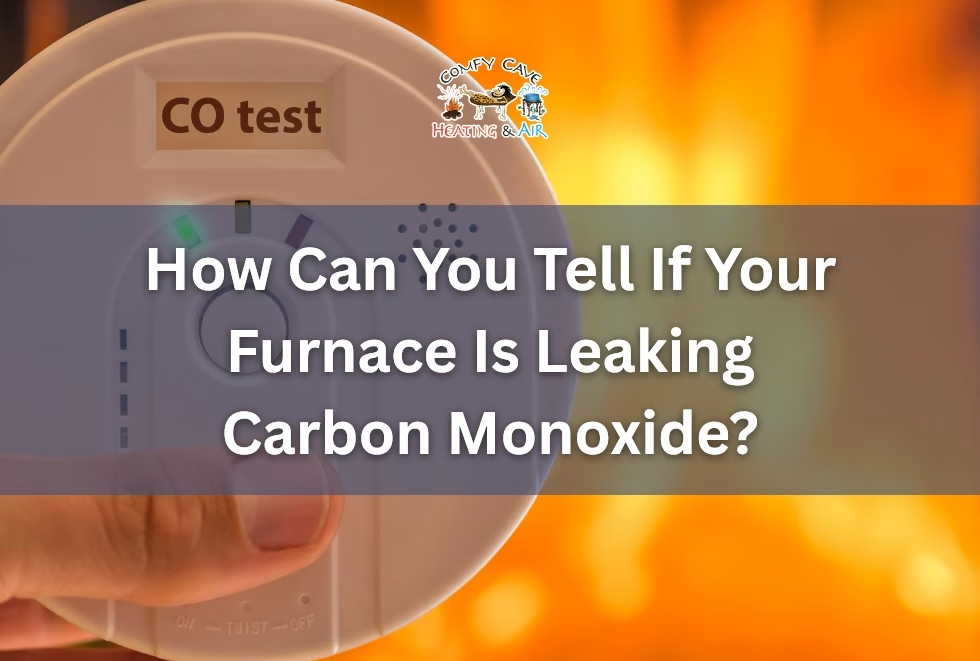
Carbon monoxide (CO) leaks from furnaces are one of the most serious home safety risks during the winter months. Because carbon monoxide is colorless, odorless, and tasteless, it can go undetected until symptoms appear — making early detection and prevention critical for homeowners.
In Denver, where furnaces run frequently during long and cold winters, understanding the signs of a carbon monoxide leak can help protect your household and prevent dangerous exposure. Knowing what causes CO leaks, how to detect them, and what steps to take can ensure your heating system operates safely all season long.
This guide explains the warning signs of furnace carbon monoxide leaks, how to detect them, and what Denver homeowners should do to keep their homes safe.
Why Carbon Monoxide Leaks From Furnaces Are Dangerous
Carbon monoxide forms when fuel such as natural gas burns incompletely. Because it cannot be seen or smelled, it can build up indoors without warning. Exposure to high levels of carbon monoxide can lead to serious health risks, including dizziness, confusion, loss of consciousness, and in severe cases, life-threatening complications.
Furnaces are one of the most common sources of carbon monoxide leaks in homes. When heating systems are not properly maintained, damaged, or poorly ventilated, combustion gases may not vent correctly and can accumulate indoors.
Regular furnace maintenance and proper ventilation are essential for preventing carbon monoxide buildup and ensuring safe operation throughout the winter.
Common Causes of Carbon Monoxide Leaks in Furnaces
Several factors can cause carbon monoxide leaks from a furnace. Most issues are related to aging equipment, lack of maintenance, or ventilation problems.
Cracked Heat Exchanger
The heat exchanger is one of the most common sources of carbon monoxide leaks. Cracks or corrosion can allow CO to escape into your home instead of being safely vented outside.
Blocked or Damaged Vent Pipes
If the flue or vent pipe is blocked by debris, snow, or damage, combustion gases may not exit properly, leading to carbon monoxide buildup indoors.
Poor Ventilation
Inadequate airflow around the furnace can cause incomplete combustion and increase carbon monoxide production.
Aging Furnace Components
Older furnaces are more likely to develop worn or damaged parts that can lead to leaks. Systems over 15–20 years old may require more frequent inspections.
Routine inspections help identify these issues early and ensure your furnace operates safely.
How Furnace Ventilation Affects Carbon Monoxide Safety
Proper ventilation allows combustion gases to exit the home safely. When ventilation systems are blocked or improperly installed, carbon monoxide can accumulate inside.
Denver homeowners should ensure:
- Exterior vent pipes remain clear of snow and debris
- Exhaust systems are properly connected
- Airflow around the furnace is unobstructed
Direct-vent and high-efficiency furnaces often provide better exhaust management, but all systems require routine checks to ensure safe operation.
Key Symptoms of Carbon Monoxide Poisoning
Recognizing symptoms of carbon monoxide exposure is critical for taking quick action. Early signs are often mistaken for flu-like illness, making awareness especially important during winter.
Common symptoms include:
- Persistent headaches
- Dizziness or lightheadedness
- Nausea or vomiting
- Fatigue or weakness
- Shortness of breath
- Confusion or difficulty concentrating
If multiple household members experience similar symptoms at the same time, it may indicate carbon monoxide exposure rather than illness.
How to Tell Carbon Monoxide Symptoms Apart From Other Illnesses
Carbon monoxide poisoning can resemble common illnesses but often appears suddenly and without fever. Symptoms may worsen indoors and improve when leaving the home.
Key warning signs include:
- Symptoms affecting multiple people at once
- Feeling better when outside
- Sudden dizziness or confusion indoors
- Symptoms occurring when the furnace is running
If you suspect carbon monoxide exposure, leave the home immediately and seek fresh air before investigating further.
How to Detect a Carbon Monoxide Leak in Your Furnace
Detecting a carbon monoxide leak early can prevent serious health risks. Several methods can help identify potential issues.
Install Carbon Monoxide Detectors
CO detectors are the most reliable way to monitor indoor carbon monoxide levels. Install detectors near sleeping areas and on each level of your home.
Watch for Visual Warning Signs
Indicators of furnace problems may include:
- Soot buildup around vents
- Rust or corrosion on flue pipes
- Yellow or flickering burner flames
- Excess moisture on windows
These signs may indicate incomplete combustion or ventilation issues.
Schedule Professional Furnace Inspections
Annual professional inspections are one of the most effective ways to detect carbon monoxide risks before they become dangerous. Technicians can test system components and ensure proper ventilation.
Scheduling routine furnace service in Denver helps ensure your heating system operates safely throughout the winter.
How Carbon Monoxide Detectors Work
Carbon monoxide detectors monitor air quality and trigger alarms when CO levels exceed safe limits. Most detectors use electrochemical sensors to measure carbon monoxide concentration.
Types of CO detectors include:
- Battery-powered detectors
- Hardwired detectors
- Smart detectors with mobile alerts
Testing detectors monthly and replacing batteries regularly ensures they function properly. Most units should be replaced every 5–7 years.
Furnace Maintenance Practices That Prevent Carbon Monoxide Leaks
Preventive maintenance is one of the most effective ways to reduce the risk of carbon monoxide leaks.
Key safety practices include:
- Annual professional furnace inspections
- Cleaning burners and internal components
- Checking vent pipes and exhaust systems
- Ensuring proper airflow and ventilation
- Replacing air filters regularly
Routine maintenance helps identify worn or damaged components early and keeps your system operating safely.
How Often Should Furnaces Be Inspected for CO Safety?
Furnaces should be inspected at least once per year, ideally before winter begins. Regular inspections help identify potential safety risks and ensure all components function properly.
Older furnaces or systems that run heavily during winter may require additional checks. Scheduling professional furnace maintenance ensures safe operation and reliable heating performance throughout the season.
Emergency Steps If You Suspect a Carbon Monoxide Leak
If you suspect a carbon monoxide leak in your home, act immediately:
- Leave the home and move to fresh air.
- Ensure all household members and pets evacuate safely.
- Call emergency services or your local fire department.
- Seek medical attention if symptoms are present.
- Contact a licensed HVAC professional to inspect the furnace before re-entering.
Never ignore carbon monoxide alarms or symptoms. Quick action can prevent serious health risks.
When to Call Professionals for Furnace Safety Concerns
Contact HVAC professionals immediately if you notice:
- Persistent CO detector alarms
- Visible damage to furnace components
- Unusual odors or soot buildup
- Frequent headaches or dizziness indoors
- Inconsistent heating or ventilation issues
Professional inspections can identify carbon monoxide risks and ensure your furnace operates safely. Scheduling routine furnace service in Denver provides peace of mind and helps prevent dangerous leaks.
Why Denver Homeowners Trust Comfy Cave Heating & Air
Comfy Cave Heating & Air provides expert furnace safety inspections, maintenance, and system evaluations for homeowners across the Denver metro area. Their licensed technicians understand how Colorado’s climate and extended heating usage can impact furnace safety, helping homeowners identify potential carbon monoxide risks before they become serious problems.
Whether you want to confirm your furnace is operating safely or need a professional inspection for peace of mind, scheduling a professional furnace service in Denver with a trusted local team helps protect your home, improve system reliability, and maintain safe indoor air throughout the winter.
Final Thoughts on Furnace Carbon Monoxide Safety
Carbon monoxide leaks are a serious risk but can often be prevented with proper awareness and regular furnace maintenance. Recognizing early warning signs, installing detectors, and scheduling routine inspections are key steps for protecting your household.
Denver homeowners who stay proactive with furnace safety measures can reduce risks and ensure their heating systems operate efficiently throughout the winter. A well-maintained furnace not only improves comfort but also helps safeguard your home and family from hidden dangers.
Frequently Asked Questions
Can a furnace leak carbon monoxide without smell?
Yes. Carbon monoxide is odorless and colorless, which is why detectors are essential for safety.
What are the first signs of carbon monoxide poisoning?
Common early symptoms include headaches, dizziness, nausea, and fatigue.
How often should furnaces be checked for carbon monoxide leaks?
Furnaces should be professionally inspected at least once a year before winter begins.
Where should carbon monoxide detectors be installed?
Install detectors near bedrooms and on each level of the home for maximum safety.
Can a dirty furnace cause carbon monoxide leaks?
Yes. Poor maintenance can lead to incomplete combustion and increased carbon monoxide risk.