
Gas Furnace vs Heat Pump in Denver: Which One Works Better in Cold Weather?
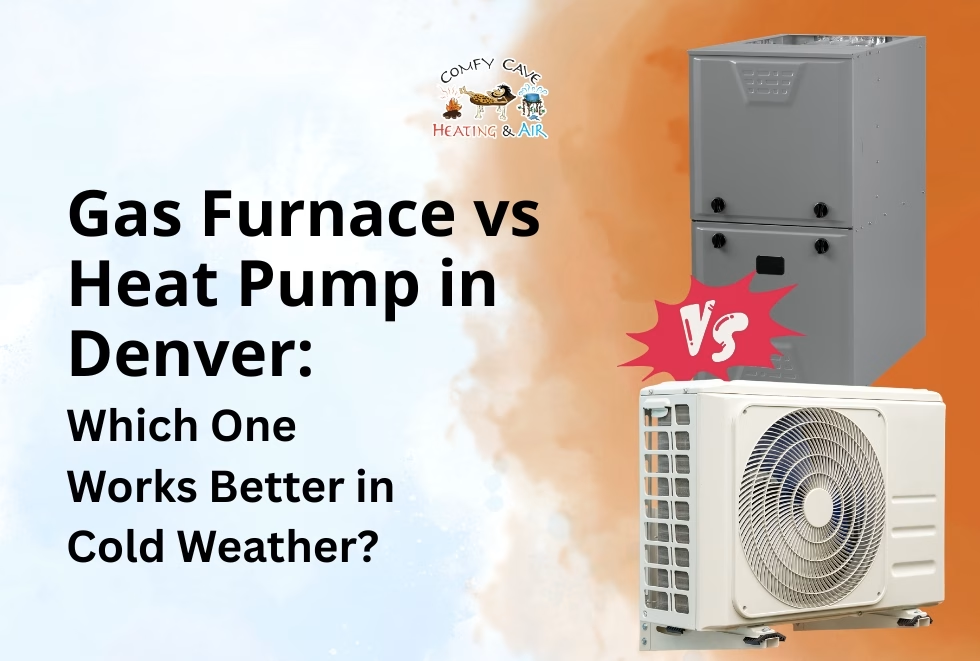
If you’ve been thinking about upgrading your home’s heating system, chances are you’ve come across this debate: gas furnace or heat pump? It’s one of the most common questions Denver homeowners ask and it’s a great one, because the right answer actually depends on your home, your budget, and Denver’s unique climate.
Both systems can keep your home warm, but they work in very different ways and have different strengths depending on where you live. Denver sits at high altitude with cold, dry winters that can drop well below freezing for stretches at a time — and that matters a lot when it comes to choosing between these two systems.
At Comfy Cave Heating & Air, we install and service both gas furnaces and heat pumps across the Denver metro area, so we can give you an honest, no-pressure breakdown of how each system performs here in Colorado.
How Each System Works
Gas Furnaces
A gas furnace burns natural gas to produce heat, which is then pushed through your home’s ductwork by a blower. It’s a direct heat source — the system generates its own warmth rather than transferring it from somewhere else. This is why gas furnaces can produce very high heat output quickly, which makes them well-suited to cold climates.
Heat Pumps
A heat pump doesn’t generate heat — it moves it. In heating mode, it extracts heat energy from the outdoor air (even cold air contains heat energy) and transfers it inside your home. In summer, it reverses the process and works like an air conditioner. This dual functionality is a big part of their appeal.
The catch is that as outdoor temperatures drop, there’s less heat energy in the air for the pump to extract, which can affect how efficiently the system heats your home.
How Does Denver’s Cold Weather Affect Heat Pump Performance?
This is the question that really matters for Colorado homeowners. Older heat pump technology struggled in genuinely cold weather — when temperatures dipped well below freezing, the system would work harder and harder to extract heat from frigid outdoor air, sometimes requiring backup electric resistance heating to keep up.
Modern heat pumps have come a long way. Today’s cold-climate heat pumps are engineered to perform well even in freezing temperatures, and they can be a viable option for Denver’s climate. That said, Denver does experience sustained cold snaps and the occasional extreme cold event — and during those periods, a high-efficiency gas furnace still holds a clear performance advantage.
Denver’s winters are cold enough that a gas furnace will generally outperform a standard heat pump during the coldest weeks of the year. If peak-cold-day performance is a priority, a furnace is still the more reliable choice — or a dual-fuel system gives you the best of both.
Gas Furnace vs Heat Pump: Side-by-Side Comparison
Here’s how the two systems compare across the factors that matter most to Denver homeowners:
|
Gas Furnace |
Heat Pump |
|
Generates its own heat by burning gas |
Moves heat from outdoor air into your home |
|
Excellent performance in very cold weather |
Modern cold-climate models handle Denver winters well |
|
Lower upfront cost in most cases |
Higher upfront cost, lower operating cost in mild weather |
|
Requires gas line connection |
Runs on electricity — no gas line needed |
|
Heating only (paired with separate AC) |
Heats and cools — one system for year-round comfort |
|
Consistent heat output regardless of outdoor temp |
Efficiency drops as temperatures fall further below freezing |
|
Well-established in Denver metro homes |
Growing in popularity as technology improves |
Which Is Right for Your Denver Home?
There’s no single right answer — it depends on your situation. Here’s a simple way to think about it:
A gas furnace may be the better fit if…
- Your home already has a gas line and ductwork in place
- You want proven, reliable performance during Denver’s coldest days
- You’re replacing an existing furnace and want a straightforward upgrade
- Upfront cost is a priority over long-term energy savings
A heat pump may be the better fit if…
- You want one system that handles both heating and cooling
- Your home doesn’t have a gas line and adding one isn’t practical
- You’re interested in reducing your home’s gas usage
- You’re open to a cold-climate heat pump designed for Colorado-style winters
Or consider a dual-fuel system
A dual-fuel system pairs a heat pump with a gas furnace backup. The heat pump handles moderate temperatures efficiently, and the furnace takes over when it gets really cold. This can be one of the most efficient and comfortable heating setups available for Denver homes.
Not sure which system makes sense for your home? Comfy Cave Heating & Air offers free, no-obligation consultations. We’ll assess your home, your current setup, and your budget — and give you an honest recommendation. Call us at 303-645-4889.
What About Energy Costs in Denver?
Energy costs are always part of the conversation when comparing heating systems. In Colorado, natural gas has historically been a cost-effective fuel for home heating, which is part of why gas furnaces remain the most common heating system in the Denver metro area.
Heat pumps can be very efficient in mild weather, but their efficiency advantage narrows as temperatures drop. In a climate like Denver’s, the economics depend on the specific system, your home’s insulation, and current utility rates — all things worth discussing with a local HVAC professional before making a decision.
Colorado homeowners may also be eligible for rebates on qualifying heat pump installations through Xcel Energy.Comfy Cave can walk you through what’s currently available and which systems qualify — visit comfycave.com/rebates/ for more information.
Conclusion
The gas furnace vs heat pump debate doesn’t have a one-size-fits-all answer for Denver homeowners — but it does have a right answer for your home. Both systems have real strengths. The key is matching the right technology to your home’s layout, your comfort priorities, and Denver’s climate realities.
If you’re ready to explore your options, the friendly, NATE-certified team at Comfy Cave Heating & Air is here to help. We install and service both gas furnaces and heat pumps across the Denver metro, and we’ll give you the straight story — no upselling, just honest advice. Call us at 303-645-4889 or explore our furnace services at comfycave.com/heating/furnace-service/.
Frequently Asked Questions
Does a heat pump work in Denver's cold winters?
Modern cold-climate heat pumps can perform well in Denver, but during the coldest stretches of a Colorado winter, a gas furnace generally produces more consistent, powerful heat. A dual-fuel system that combines both technologies is an option worth considering for Denver homes.
Is a gas furnace or heat pump cheaper to run in Denver?
It depends on current gas and electricity rates, system efficiency, and how cold the winter gets. Gas furnaces tend to be cost-effective in Colorado’s cold winters, while heat pumps can be very efficient during milder parts of the heating season. A local HVAC professional can help you compare based on your specific home.
Can I replace my gas furnace with a heat pump in Denver?
Yes, it’s possible. You’d want to ensure your home has good insulation and that you choose a cold-climate-rated heat pump. Many homeowners opt for a dual-fuel setup — a heat pump for everyday efficiency with a gas furnace backup for the coldest days.
Who installs heat pumps and furnaces in Denver?
Comfy Cave Heating & Air installs both gas furnaces and heat pumps across the Denver metro area. Call 303-645-4889 for a free estimate or visit comfycave.com/heating/furnace-service/.