Ductless Mini-Split Installation in Denver: What You Need to Know Before You Buy
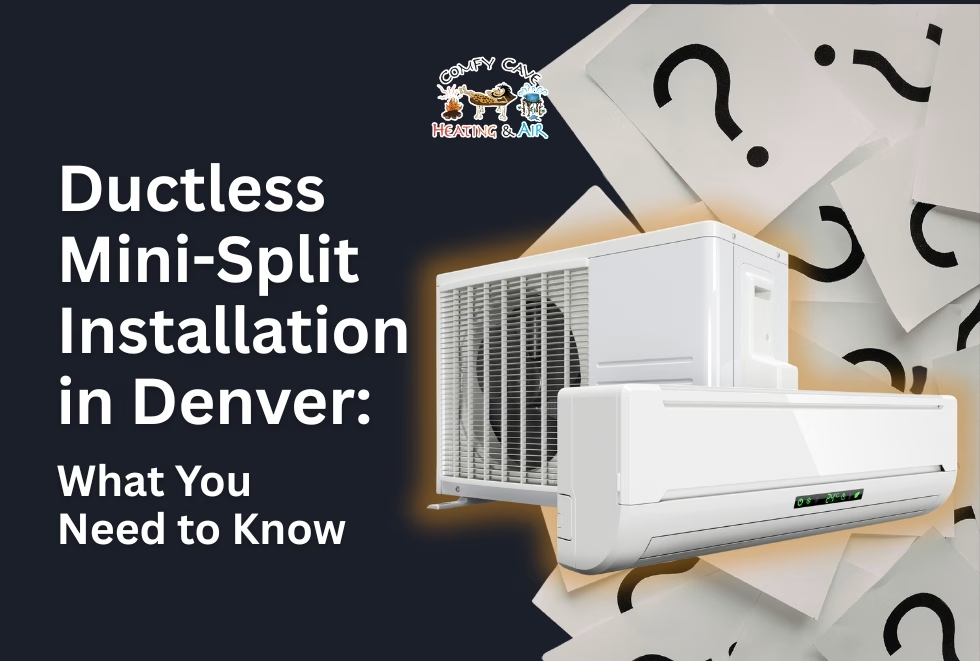
Ductless mini-splits have gone from a niche product to one of the most popular HVAC choices for Denver homeowners — and for good reason. They’re efficient, flexible, and solve problems that traditional systems can’t. But they also come with specific requirements, limitations, and Denver-specific considerations that many homeowners don’t fully understand before they buy.
This guide covers what you actually need to know: how the system works, what installation involves, what it costs in Denver, and how to avoid the most common mistakes.
What a Ductless Mini-Split Actually Is
A ductless mini-split is a heating and cooling system with two main components:
The outdoor unit (condenser/compressor): Sits outside your home, similar to a traditional central AC condenser. This is where heat is exchanged with the outside air.
The indoor unit (air handler): Mounts on the wall, ceiling, or floor inside the room being conditioned. It circulates air without any ductwork — refrigerant lines connect it directly to the outdoor unit through a small hole in the wall.
A single outdoor unit can connect to one indoor unit (single-zone) or multiple indoor units in different rooms (multi-zone). Each indoor unit has its own controls and can be set independently.
Critically: mini-splits are heat pumps. They heat and cool. In Denver, this means one system handles both winter heating and summer cooling, which changes the cost-benefit calculation significantly compared to air-conditioning-only alternatives.
Why Mini-Splits Are Increasingly Popular in Denver Specifically
Several things make mini-splits particularly well-suited to Denver homes:
Older homes without ductwork: Many older Denver homes — bungalows, Victorians, early ranch-styles — were built without central ductwork. Adding ducts is expensive and often requires significant structural work. A mini-split bypasses this entirely.
Additions and finished spaces: Finished basements, converted garages, sunrooms, and above-garage bonus rooms are notoriously difficult to condition with a central system. A mini-split handles these spaces cleanly without reworking your entire HVAC setup.
Colorado’s year-round use case: Because mini-splits heat and cool, they work in both Denver winters and summers. Modern cold-climate mini-splits operate efficiently down to -13°F or lower — well beyond anything Denver winters throw at them.
Altitude efficiency advantage: Inverter-driven mini-splits modulate their compressor speed continuously rather than cycling on and off. This variable-speed operation handles Denver’s altitude conditions and dramatic daily temperature swings more efficiently than single-stage systems that run at full blast or not at all.
What Mini-Split Installation Actually Involves
Many homeowners underestimate what’s involved in a proper mini-split installation. Here’s what the process looks like:
Site Assessment and Sizing
Before any equipment is ordered, a proper load calculation is needed — just as with central AC. The indoor unit needs to be sized correctly for the space it’s conditioning. Oversized mini-splits short-cycle and fail to dehumidify properly. Undersized ones can’t keep up during Denver’s peak summer heat.
The site assessment also determines optimal placement for both the indoor and outdoor units, refrigerant line routing, and electrical requirements.
Electrical Requirements
Mini-splits require a dedicated electrical circuit. Most residential systems need a 240V circuit, typically 15–30 amps depending on the system size. If your electrical panel doesn’t have capacity, a panel upgrade may be needed — this adds cost but is sometimes unavoidable in older Denver homes.
A licensed electrician must handle the electrical work to meet Denver’s code requirements. We coordinate this as part of our installation process at Comfy Cave.
Line Set Installation
The refrigerant lines (line set), electrical wiring, and a condensate drain line run through a small hole (typically 3 inches) drilled through the exterior wall, connecting the indoor and outdoor units. The line set is typically routed along the exterior of the home and covered with a protective conduit — this is one of the aesthetic considerations for mini-splits that some homeowners care about.
Interior installation of the indoor unit involves mounting a bracket on the wall and connecting the unit to the line set. This doesn’t require patching drywall or any significant structural work.
Permits and Code Compliance
Mini-split installation in Denver and surrounding municipalities requires a mechanical permit and electrical permit. Any contractor suggesting you skip permits is not someone you want working on your home. Unpermitted work creates issues with homeowner’s insurance, home sales, and equipment warranties.
Mini-Split Installation Cost in Denver (2025 Figures)
Single-zone system (1 outdoor, 1 indoor unit): $2,500 – $5,000 fully installed
Dual-zone system (1 outdoor, 2 indoor units): $4,500 – $8,000
Three to four zone system: $8,000 – $14,000+
Cost variables that affect your specific quote:
- Number of zones and total capacity needed
- Electrical panel work required
- Complexity of line set routing — a second-floor installation with long line sets costs more than a simple single-floor run
- Wall penetration difficulty (concrete, brick, or stucco walls cost more to drill than wood-frame)
- Equipment brand and efficiency level
These are Denver-market figures. Always get a quote based on a physical assessment of your home — not a phone estimate.
How to Choose the Right Mini-Split for Your Denver Home
Prioritize Cold-Climate Rated Equipment
Not all mini-splits are created equal for cold weather. If you want to use your mini-split for winter heating in Denver — and you should, to get value from it year-round — choose a model rated for cold-climate operation. Look for systems rated to maintain heating capacity at 5°F or lower. Standard mini-splits lose significant heating capacity as temperatures drop, which is a problem in a Colorado winter.
Inverter Technology Is Not Optional
Modern mini-splits use inverter-driven compressors that modulate speed based on demand. This is what gives them their efficiency advantage and smooth operation. Avoid fixed-speed mini-splits — they’re cheaper but behave more like window units than true mini-splits and miss most of the efficiency benefit.
Match Indoor Unit Style to the Room
You have options beyond just the wall-mounted cassette most people picture:
- Wall-mounted (most common): Mounts high on the wall, good airflow coverage, unobtrusive
- Ceiling cassette: Recessed into the ceiling for a cleaner look, ideal for open-plan spaces
- Floor-mounted: Sits near the floor, good for rooms with limited high-wall space or for heating-focused applications
- Ducted mini-split: A hybrid option where a mini-split outdoor unit connects to a small ducted air handler for a room or zone, keeping the appearance of traditional vents
Common Mistakes to Avoid
Buying the unit yourself and hiring an installer separately: This sounds like a money saver but often isn’t. If the unit is purchased without a contractor’s input, sizing mistakes are common. Equipment warranties also frequently require professional installation by an authorized dealer — a retail purchase can void manufacturer coverage.
Ignoring the outdoor unit location: The outdoor condenser needs good airflow and should not be placed where it will be buried in snow drifts or blocked by landscaping. In Denver’s hail corridor, a location with some overhang protection is worth considering — though airflow clearance always takes priority.
Assuming one zone is enough for a whole house: A single mini-split in your living room does not cool or heat your bedrooms effectively. Plan zones around how you actually use your home, not just where installation is easiest.
Skipping the maintenance plan: Mini-splits have washable filters that need cleaning monthly during heavy use periods, plus annual professional maintenance for refrigerant checks, coil cleaning, and electrical inspection. Neglecting this in Denver’s dusty, high-UV environment leads to premature equipment failure.
Why Work with Comfy Cave for Your Mini-Split Installation
At Comfy Cave Heating & Air, we specialize in ductless mini-split installation across Denver and the surrounding metro area. We handle sizing, electrical coordination, permitting, and installation as a complete process — so you’re not managing multiple contractors or hoping different pieces come together correctly.
We install and service Ruud equipment, which includes a strong mini-split lineup with cold-climate-rated inverter systems well-suited to Denver’s conditions. And because we also handle heating services, cooling, and maintenance plans, we’re a single point of contact for your home’s year-round comfort — not just the installation.
If you’re considering a mini-split for any part of your Denver home, we’re happy to come out, assess your space honestly, and give you a straight recommendation on whether it’s the right fit — and what it will actually cost. Schedule a free estimate here or call us at 303-645-4889.
Frequently Asked Questions
Can a mini-split heat my Denver home in winter?
Yes — but the system needs to be a cold-climate rated model. Modern cold-climate mini-splits are designed to operate efficiently at temperatures well below zero. Denver’s winters, while cold, are within the operating range of quality cold-climate systems. We’ll recommend appropriate equipment based on your heating requirements.
How long does mini-split installation take?
A single-zone installation typically takes 4–6 hours. A multi-zone system covering 3–4 rooms is usually a full day’s work. If electrical panel work is needed, that may require a separate visit from an electrician depending on timing.
Do I need to clean the filters myself?
Yes. Mini-split indoor units have washable filters that should be cleaned every 4–6 weeks during heavy use periods — monthly in Denver’s dusty environment. It’s a simple process: slide out the filter, rinse it under water, let it dry completely, and reinstall. Annual professional maintenance handles the deeper cleaning and mechanical inspection.
Will the line set on the outside of my house look bad?
The line set conduit is visible on the exterior wall, which some homeowners find unattractive. With good installation planning, it can be routed in less visible locations and painted to match your exterior. It’s worth discussing placement options with your installer before committing to a location.
Can I add zones to my mini-split system later?
It depends on the outdoor unit. Multi-zone outdoor units have a specific number of ports for indoor units. If your outdoor unit is a multi-zone model with unused capacity, adding a zone later is possible. If you started with a single-zone unit, you’d need a new outdoor unit to expand. Plan for future zones upfront if you think you might want them — it’s almost always cheaper to install a larger outdoor unit initially than to replace it later.
Does a mini-split add value to my Denver home?
Generally yes, particularly in older homes that lack central HVAC. A properly installed, permitted mini-split system adds real value for buyers who don’t want the expense of installing a full ducted system. For homes that already have good central AC, the value-add of an additional mini-split zone is more modest but still positive.